


Understand your brain.
Work with your biology
Through applied nutritional neuroscience
So challenges with focus, mood, learning & stress start to make sense- not define you
Minerals either limit or elevate our biochemical potential

Fe

Mg
K
P
Na
Hair Tissue Mineral Analysis
Minerals are essential for how every cell in the body communicates — they form the foundation of our health.
A Hair Tissue Mineral Analysis (HTMA), unlike blood pathology which captures a moment in time, provides a three-month snapshot of your mineral status.
Minerals play a key role in supporting repair, energy production, and overall cellular function.
Cu
Ca
Welcome, I'm kylie
Hi, I’m Kylie — a Clinical Nutritionist (BHSc, MS) and Therapeutic Chef.
To understand behaviour, I work at the intersection of nutrition, nutrients, and brain function, applying nutritional neuroscience and clinical nutrition to translate biology into practical strategies for individuals and families.
As a teenager, I didn’t understand how to nourish myself. I had very little awareness of how food, energy, and mood were connected, and I struggled to support my wellbeing in a consistent way. That early experience is a key part of what shaped my interest in how food, nutrients & neurobiology influences how we think, feel, and function.
Before becoming a nutritionist, I spent over 20 years working as a chef in a successful culinary career. I’ve always been fascinated by how food communicates with the body, and that curiosity is what initially drew me into the industry.
The hospitality world is also well known for its intensity, and I quickly realised that in order to sustain myself in it, I needed a deeper understanding of food beyond technique — including where it comes from, how it is grown, and how it affects the body. This led me to explore gardening, food systems, and the science behind nutrition.
My work took me across different parts of the world, where I experienced how diverse cultures prepare, share, and socialise around food. These experiences shaped my understanding that food is never just fuel — it is deeply connected to behaviour, environment, and connection.
Alongside this, my earliest influence came from my grandmothers, who introduced me to simple, whole food cooking through their gardens and home kitchens. Those early experiences gave me the foundations of nourishing food long before I understood the science behind it.
Together, these experiences now sit at the centre of my work: food as both nourishment and biological information for the brain and body.

My clinical approach is grounded in functional nutrition and systems thinking. I specialise in interpreting functional testing and biochemical patterns — including mineral analysis — and translating these into clear, practical strategies that support focus, mood, energy, and behavioural regulation.
I hold a Bachelor of Health Science (Nutrition and Dietetic Medicine) and a Master of Human Nutrition (Research). My work is informed by both clinical practice and research, with a focus on the emerging field of nutritional neuroscience applied to everyday life.
I also work alongside psychiatrists, GPs, and allied health professionals to support integrated, multidisciplinary care where appropriate.
At TNK, I bring together three layers:
-
how the brain functions
-
what the body is communicating biochemically
-
and how food is implemented in daily life through therapeutic cooking
My work is about helping people understand the biology behind behaviour — so challenges with focus, mood, and learning start to make sense, not define identity.
What is nutritional neuroscience ?
Nutritional medicine integrates the understanding of biochemistry, physiology, and nutrition to prevent poor health outcomes.
Nutritional neuroscience is an academic and clinical field that studies how food, nutrients, and metabolism affect the brain and nervous system.
In simple terms:
It looks at how what we eat changes how the brain develops, functions, and behaves.
It extends beyond diet plans to include a detailed examination of how nutrients, particularly minerals are influencing bodily & brain functions at a biochemical level. At Nutrition Kitchen, I use advanced diagnostic tools (Hair Tissue Mineral Analysis, Organic acids Test, Neurotransmitter profiles & Functional Bloods) to uncover the reduced functioning pathways that often elude conventional medical diagnosis. By utilising cutting-edge tests and analyses, we can identify underlying imbalances and craft targeted nutraceutical plans to address them effectively. My approach ensures that clients receive individual & precise, effective treatments grounded in data.
What is Therapeutic Cooking ?
Therapeutic cooking is the practice of using food as a clinical tool to support how the brain and body function.
It combines nutritional science with culinary technique to create meals designed for individual health needs and goals.
It links nutrition, physiology and behaviour by turning everyday meals into structured interventions that support focus, mood, energy and regulation.
It focuses on:
-
whole, nutrient-dense ingredients
-
preparation methods that preserve nutritional value
-
aligning food choices with individual physiology, symptoms and development
Rather than general recipes, therapeutic cooking is intentional food-based intervention embedded into daily routine to support behavioural and physiological change.
_edited_edited_.jpg)
Brain Lab
Gut Management
& Brain
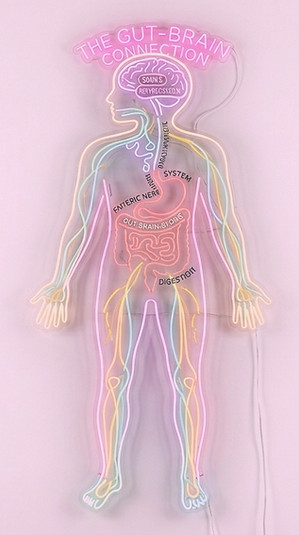
The gut–brain connection is a bidirectional communication system between digestion and the brain.Through neural, immune, and metabolic pathways, gut function influences brain activity — shaping attention, emotional regulation, and cognitive performance.Understanding the GUT is one key to overall health. Did you know the gut microbiota in individuals with autism spectrum disorder (ASD) is characterized by an increase in certain microflora and a reduction in microbial diversity?
Metabolism
& Brain Health
We use Organic Acid Testing to provide valuable information that may indirectly support efforts related to behaviors. Their are intricate links between
Metabolic dysfunction and people with ADHD, ADD & ASD including altered amino acid metabolism
The brain is one of the most metabolically active organs in the body, relying on a constant supply of nutrients and energy to regulate focus, mood, memory, and behaviour. When metabolic function is disrupted, brain function is often affected first.
Re-energize
Low Energy Levels
The brain is one of the most energy-demanding organs in the body.
Although it makes up only a small percentage of body weight, it consumes a disproportionately large amount of energy to support communication between neurons, regulation of mood, attention, and cognitive processing.
This energy is produced primarily in the mitochondria — the cellular structures responsible for generating ATP, the body’s main energy currency.
When mitochondrial function or energy metabolism is compromised, the brain is often one of the first systems to show changes, including:
-
reduced focus and attention
-
low motivation and mental fatigue
-
mood instability
-
slowed processing and “brain fog”
Better Moods
Nutritional
Behavioral Support
for all ages
Stress plays a significant role in the body, influencing nutrient utilisation, energy metabolism, and nervous system regulation. When demand exceeds supply, this can impact how the brain functions in areas such as attention, mood, learning, and emotional regulation.
Emerging research in nutritional neuroscience and functional nutrition explores how factors such as nutrient availability, metabolic function, gut health, and environmental load may influence brain chemistry and neurological regulation.
Growth & Development first 1000 days
toddlers
&
teenagers
The first 1000 days, along with toddlerhood and adolescence, are periods of rapid brain growth and high metabolic demand.
These stages require increased nutrient availability and energy production to support neurodevelopment, neurotransmitter activity, and cognitive and emotional regulation.
This is a key window for understanding how genetics, nutrition, and metabolic function influence development beyond behavioural labels.
The focus is on underlying biological systems — including brain metabolism, gut–brain communication, and nutrient-dependent pathways that shape learning, mood, and behaviour.
Children's Resilience
support for symptoms associated w/
ADHD, ADD, ASD, PANS & PANDAS
The brain is one of the most energy-demanding organs in the body, requiring high levels of metabolic activity to support neuronal communication, attention, mood regulation, and cognitive processing.
This energy is produced primarily in the mitochondria, which generate ATP — the body’s main cellular energy currency.
When mitochondrial function or energy metabolism is compromised, the brain is often one of the first systems affected, which may present as reduced focus, low motivation, mental fatigue, mood instability, or slowed cognitive processing (“brain fog”).
Labs, Trusted Brands & Research Providers


Get in Touch
Frankston, Victoria
Australia
T. 0416 842 898 Text only


